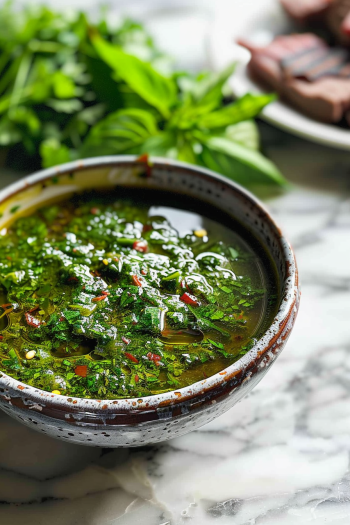
If you’re searching for a versatile, fresh, and incredibly flavorful condiment to elevate your grilling game, look no further than chimichurri sauce. This vibrant green sauce hails from Argentina and has become a beloved staple in kitchens worldwide. Whether you’re drizzling it over perfectly grilled steak, using it as a marinade for chicken, or brightening up roasted vegetables, chimichurri sauce brings an unmatched burst of herbaceous flavor that’ll make your taste buds dance.

Table of Contents
Origins of Argentina’s Most Famous Sauce
Chimichurri sauce has deep roots in Argentine culinary tradition, dating back to the 19th century. According to popular legend, the sauce got its name from an Irish immigrant named Jimmy McCurry, whose name was eventually transformed into “chimichurri” by the locals. However, another theory suggests the name comes from the Basque word “tximitxurri,” meaning “a mixture of several things in no particular order.” Regardless of its etymological origins, this zesty condiment has become synonymous with Argentine asado, the traditional barbecue that’s central to the country’s social gatherings. Furthermore, chimichurri represents the fusion of European immigrants’ culinary traditions with local South American ingredients, creating something truly unique and beloved.
Understanding the Essential Ingredients
The Power of Fresh Herbs
The foundation of any great chimichurri sauce lies in its herbs, specifically fresh parsley and oregano. Unlike dried herbs, fresh ones provide a vibrant, grassy flavor that’s absolutely essential to authentic chimichurri. Flat-leaf parsley, also known as Italian parsley, is preferred over curly parsley because it has a more robust flavor and smoother texture. Meanwhile, fresh oregano adds an earthy, slightly peppery note that complements the parsley beautifully. When shopping for herbs, look for bright green leaves without any yellowing or wilting. In addition, make sure to wash and thoroughly dry your herbs before chopping, as excess moisture can dilute the sauce and affect its shelf life.
The Role of Garlic and Acidity
Garlic serves as the backbone of chimichurri’s bold character, providing pungency and depth that balances the fresh herbs. Raw garlic brings an assertive bite that mellows slightly as the sauce sits, creating complex flavor development. The red wine vinegar, on the other hand, introduces the crucial acidic component that brightens the entire sauce and helps preserve it. This acidity also acts as a tenderizing agent when chimichurri is used as a marinade. Some recipes call for fresh lemon juice as well, which adds a citrusy dimension that enhances the sauce’s freshness. The combination of garlic and vinegar creates a harmonious balance that prevents the sauce from tasting flat or one-dimensional.

Ingredients
| Ingredient | Quantity |
|---|---|
| Fresh parsley, finely chopped | 1 cup |
| Fresh oregano, finely chopped | 2 tablespoons |
| Garlic cloves, minced | 4-5 cloves |
| Red wine vinegar | 1/4 cup |
| Extra virgin olive oil | 1/2 cup |
| Red pepper flakes | 1/2 teaspoon |
| Sea salt | 1 teaspoon |
| Freshly ground black pepper | 1/2 teaspoon |
| Fresh lemon juice | 1 tablespoon |
Step-by-Step Preparation Guide
Proper Herb Preparation Techniques
Creating exceptional chimichurri starts with properly preparing your herbs. First, remove the parsley and oregano leaves from their stems, as stems can introduce bitterness and an unpleasant texture. Next, gather the leaves into tight bundles and use a sharp chef’s knife to finely chop them. A sharp knife is crucial because a dull blade will bruise the herbs rather than cut them cleanly, releasing bitter compounds and causing discoloration. Alternatively, you can use a food processor for quicker preparation, but pulse carefully to avoid over-processing, which can turn your sauce into a paste. The goal is to achieve a texture that’s finely chopped but still has some body and visual appeal.
Mixing and Balancing Flavors
Once your herbs are prepared, combine them with the minced garlic in a medium bowl. Then, add the red wine vinegar, red pepper flakes, salt, and black pepper, stirring gently to distribute the ingredients evenly. At this point, slowly drizzle in the olive oil while stirring continuously, which helps emulsify the sauce slightly and ensures even distribution of the oil throughout. After mixing, taste your chimichurri and adjust the seasonings as needed. Perhaps you prefer more heat, in which case you’d add extra red pepper flakes. Or maybe you want more acidity, requiring an additional splash of vinegar. This tasting and adjusting process is essential because it allows you to customize the sauce to your personal preferences.
take a look at these favorites Tomato Pasta Sauce with Cream Cheese
Variations and Creative Adaptations
Red Chimichurri: A Smoky Alternative
While the classic green chimichurri is most common, red chimichurri offers a different flavor profile that’s equally delicious. This variation incorporates roasted red peppers and sometimes tomatoes, creating a deeper, smokier taste. To make red chimichurri, you’ll blend roasted red bell peppers with the traditional ingredients, adjusting the herb quantities slightly to accommodate the peppers’ sweetness. The result is a sauce with more body and a beautiful rusty-red color that’s visually striking on the plate. Red chimichurri pairs exceptionally well with pork and lamb, though it’s versatile enough to complement any protein or vegetable dish you’re preparing.
Herb Substitutions and Additions
Although traditional chimichurri relies on parsley and oregano, you can experiment with other herbs to create unique variations. Cilantro makes an excellent substitute for parsley, creating a more Mexican-inspired version that works wonderfully with fish tacos and grilled shrimp. Similarly, you might add fresh mint for a cooling element or basil for a slightly sweeter note. Some cooks include fresh thyme or rosemary for earthier undertones. Just remember that chimichurri’s charm lies in its fresh, herbaceous character, so you’ll want to maintain that quality regardless of which herbs you choose. Start with small substitutions to ensure you’re happy with the flavor before committing to larger changes.
Storage Tips and Shelf Life
Proper Storage Techniques
One of chimichurri’s many advantages is its impressive shelf life when stored correctly. Transfer your freshly made sauce to a clean glass jar or airtight container, ensuring the herbs are completely submerged in the oil, which acts as a preservative. Stored in the refrigerator, chimichurri will maintain its quality for up to two weeks, though it’s often at its best within the first week. The olive oil may solidify when chilled, but don’t worry—simply let the sauce sit at room temperature for about 15 minutes before serving, and it’ll return to its liquid state. Before using refrigerated chimichurri, give it a good stir to redistribute the ingredients that may have settled.
Freezing and Long-Term Preservation
If you’ve made a large batch and want to preserve it longer, freezing is an excellent option. Pour the chimichurri into ice cube trays, which allows you to thaw only what you need for individual meals. Once frozen solid, transfer the cubes to a freezer bag, where they’ll keep for up to three months. When you’re ready to use them, simply pop out the desired number of cubes and let them thaw in the refrigerator overnight. Alternatively, you can freeze chimichurri in small jars or containers. While freezing may slightly affect the texture of the fresh herbs, the flavor remains remarkably intact, making frozen chimichurri a convenient option for weeknight meals.
you may also love the following recipes Lemon Garlic Cream Sauce
Common Mistakes to Avoid
Texture and Consistency Errors
One frequent mistake when making chimichurri is over-processing the herbs, which results in a muddy, paste-like consistency rather than the desired chunky texture. Remember, chimichurri should have visible pieces of herbs and maintain some texture—it’s not meant to be a smooth sauce. Another common error is using too much oil relative to the other ingredients, which dilutes the flavor and makes the sauce greasy. The oil should coat the herbs and bind the ingredients together without drowning them. If your chimichurri looks like it’s swimming in oil, you’ve gone too far. Instead, aim for a sauce where the herbs remain prominent and the oil acts as a supporting player rather than the star.
Seasoning and Balance Issues
Under-seasoning is perhaps the most critical mistake you can make with chimichurri. Because the sauce relies on relatively few ingredients, each one must be present in the right proportion to create that signature bold flavor. Don’t be timid with the salt, garlic, or red pepper flakes—chimichurri should be punchy and assertive. Conversely, adding too much vinegar can make the sauce overly acidic and harsh. Taste as you go and adjust gradually, keeping in mind that the flavors will meld and develop as the sauce sits. If you find your chimichurri tastes too sharp immediately after making it, let it rest for 20-30 minutes before serving, which allows the flavors to harmonize.
Frequently Asked Questions
Can I make chimichurri sauce ahead of time?
Absolutely, and in fact, chimichurri often tastes better when made ahead. The sauce benefits from resting time, which allows the flavors to meld and develop complexity. You can make it up to two weeks in advance if stored properly in the refrigerator.
What’s the difference between chimichurri and pesto?
While both are green, herb-based sauces, chimichurri and pesto have distinct differences. Chimichurri is a thinner, more vinegar-forward sauce made primarily with parsley, oregano, garlic, oil, and vinegar.
Can I use dried herbs instead of fresh ones?
While technically possible, using dried herbs instead of fresh ones will result in a vastly different product that doesn’t capture the essence of authentic chimichurri.
How can I make chimichurri less spicy?
If you’re sensitive to heat or cooking for people who prefer milder flavors, you can easily adjust the spice level in chimichurri. Simply reduce or omit the red pepper flakes entirely—the sauce will still be delicious without them.
What can I do if my chimichurri tastes too acidic?
If your chimichurri turned out more acidic than you’d like, there are several ways to balance it. First, add more olive oil, which will mellow the vinegar’s sharpness and create a smoother mouthfeel.
Conclusion
Chimichurri sauce represents everything wonderful about simple, fresh cooking—it’s quick to prepare, uses readily available ingredients, and delivers extraordinary flavor that transforms ordinary meals into memorable dining experiences. Whether you’re a seasoned grill master or just beginning your culinary journey, this versatile Argentine condiment deserves a permanent place in your recipe repertoire.
Print
Chimichurri Sauce
- Total Time: 10 minutes
- Yield: 8 servings 1x
Description
Vibrant Argentine herb sauce made with fresh parsley, oregano, garlic, and tangy red wine vinegar—perfect for grilled meats, vegetables, and seafood
Ingredients
- 1 cup fresh parsley, finely chopped
- 2 tablespoons fresh oregano, finely chopped
- 4–5 garlic cloves, minced
- 1/4 cup red wine vinegar
- 1/2 cup extra virgin olive oil
- 1/2 teaspoon red pepper flakes
- 1 teaspoon sea salt
- 1/2 teaspoon freshly ground black pepper
- 1 tablespoon fresh lemon juice
Instructions
- 1. Remove parsley and oregano leaves from stems and finely chop them with a sharp knife or pulse briefly in a food processor
- 2. Mince the garlic cloves finely and combine with chopped herbs in a medium bowl
- 3. Add red wine vinegar, red pepper flakes, salt, and black pepper to the herb mixture and stir well
- 4. Slowly drizzle in the olive oil while stirring continuously to combine all ingredients evenly
- 5. Add fresh lemon juice and mix thoroughly
- 6. Taste and adjust seasonings as needed, adding more salt, pepper, or vinegar to your preference
- 7. Let the sauce rest for 15-20 minutes before serving to allow flavors to meld
- 8. Serve over grilled meats, vegetables, or seafood, or use as a marinade
Notes
Store in an airtight container in the refrigerator for up to 2 weeks. Ensure herbs are submerged in oil. Can be frozen in ice cube trays for up to 3 months. Let refrigerated sauce come to room temperature before serving for best texture.
- Prep Time: 10 minutes
- Cook Time: 0 minutes
- Category: Condiment
- Cuisine: Argentine
Nutrition
- Serving Size: 2 tablespoons
- Calories: 124
- Sugar: 0g
- Sodium: 146mg
- Fat: 14g
- Carbohydrates: 1g
- Fiber: 0g
- Protein: 0g